

The Nature of Luck in Gambling
Luck is often portrayed as a whimsical force in the world of gambling, captivating players with the idea that fortune can change in an instant. In casinos, luck refers to the unpredictable outcomes of games, which can lead to significant wins or devastating losses. This aspect of chance plays a crucial role in games such as slots, roulette, and blackjack, where no strategy can guarantee a victory. Players enter the gambling arena with the hope that luck will favor them, believing that a winning streak may be just around the corner.
The randomness of gambling outcomes can be both exhilarating and frustrating. Each spin of a slot machine or roll of the dice is independent, meaning past results do not influence future ones. This unpredictability is a double-edged sword; while players can enjoy the thrill of potentially hitting the jackpot, they must also grapple with the reality that luck can quickly evaporate, leading to losses. Understanding this balance between fortune and fate is essential for those who wish to navigate the casino landscape effectively, especially when considering options like $20 neosurf casino australia real money for their gaming experiences.
Moreover, the concept of luck intersects with psychological factors that influence player behavior. Many gamblers attribute their wins to luck, while losses are often rationalized through external factors or bad luck. This phenomenon can lead to cognitive biases, where players may chase losses, believing that luck will ultimately change in their favor. Such behaviors highlight the complex relationship between luck and decision-making in gambling, underscoring the need for a realistic understanding of chance.
The Role of House Edge
While players may rely on luck, casinos have built-in advantages known as the house edge. This mathematical advantage ensures that over time, the casino will always come out ahead. For instance, in games like roulette, the presence of the zero (or double zero) slot creates a larger margin for the house, changing the odds in its favor. Even when players experience short-term gains due to luck, the house edge is a constant reminder that the odds are typically stacked against them.
The house edge varies significantly across different games, which can influence player decisions based on their understanding of luck and strategy. In blackjack, for example, skilled players can reduce the house edge considerably through optimal play and card counting techniques. However, even the best players must acknowledge the role of luck in the short term, as a string of unfortunate cards can derail their strategy. This interplay between skill and luck illustrates the complexities of casino gambling and highlights why players must balance their expectations.
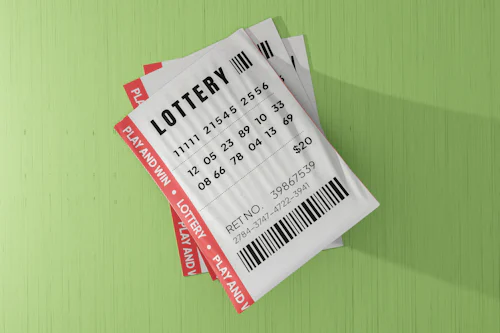
Additionally, the house edge impacts the perception of luck among gamblers. Many players feel that winning streaks are a sign of good luck, while a losing session may lead to feelings of being cursed. This psychological aspect can drive players to engage in more gambling, hoping to recoup their losses or chase the high of previous wins. Recognizing the house edge is essential for responsible gambling, as it enables players to set realistic expectations and understand that while luck plays a role, the odds are always a factor in the long run.
The Illusion of Control
Players often believe they can exert some control over their luck, whether through specific rituals, strategies, or superstitions. This phenomenon is particularly prevalent in games with a degree of skill, such as poker, where players may convince themselves that their decisions can sway the outcome. The illusion of control can enhance the gaming experience, creating a sense of agency that makes players feel more engaged. However, this belief can also lead to overconfidence and misguided decisions that don’t ultimately influence the random nature of luck in the game.
For example, many poker players develop personal strategies or “tells” they believe will grant them an edge. While experience and skill are undoubtedly valuable in poker, luck remains a critical factor in the outcome of each hand. The random distribution of cards means that even the most seasoned players can find themselves at the mercy of luck. This interplay between skill and chance further complicates the player’s perception of their control over the game, reminding them that luck can disrupt even the best-laid plans.
The psychological impact of believing one can control luck can lead to deeper expenses in the pursuit of winning. Players may find themselves wagering significantly more than they can afford, chasing the high associated with winning or attempting to “prove” their luck is good. Recognizing that luck is an uncontrollable element is crucial for sustainable gambling practices. Staying mindful of this illusion can help players maintain a healthier approach to their casino experiences, focusing on enjoyment rather than solely on winning.
The Impact of External Factors on Luck
External factors can significantly influence the perceived role of luck in casino outcomes. These factors include the casino environment, the presence of other players, and timing. For instance, players might feel that entering a casino at a certain time of day could impact their luck or that playing in a crowded setting can elevate their chances of winning. This perception is often rooted in emotional experiences rather than statistical evidence, yet it remains a powerful driver of gambling behavior.
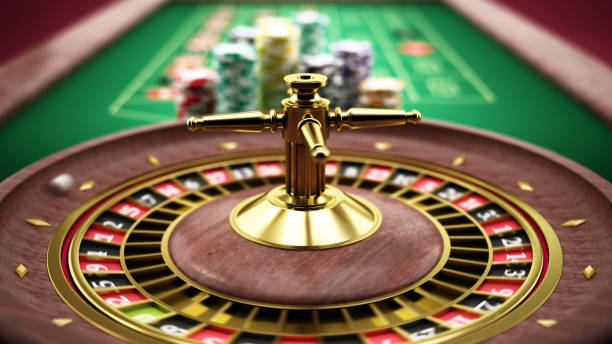
The casino environment itself is designed to enhance the thrill of gambling, often using visual and auditory stimuli that create a sense of excitement. The sounds of slot machines paying out and the visual effects of illuminated games can create a euphoric atmosphere that influences players’ feelings about luck. When players are in a lively environment, they may feel more connected to the notion of luck, believing it is flowing more freely. However, this emotional high can also cloud judgment and lead to impulsive decisions.
Similarly, the presence of fellow gamblers can serve as a catalyst for beliefs about luck. Many players are influenced by the perceived luck of others, whether they are witnessing big wins or losing streaks. This social aspect of gambling can create a narrative about collective luck, where players feel they are sharing in the fortunes or misfortunes of those around them. Recognizing how these external influences shape perceptions of luck can empower players to make more informed decisions and manage their expectations when it comes to gambling.
Your Resource for Understanding Casino Luck
Understanding the intricate dynamics of luck in casino outcomes is a journey that combines psychology, probability, and personal experience. Whether you are a casual player or a seasoned gambler, recognizing how luck interacts with strategy and the house edge can enhance your overall gaming experience. By staying informed about the principles of chance and the psychology involved, you can navigate the casino landscape with greater intelligence and enjoyment.
This website serves as a valuable resource for those looking to deepen their knowledge about gambling, luck, and strategies that can improve the experience. We aim to provide insights that empower players to approach their gaming with a balanced perspective, acknowledging both the thrill of luck and the reality of odds. Our content seeks to educate and support responsible gambling practices, ensuring that players of all levels can enjoy the exhilarating world of casinos while remaining mindful of the intricacies involved.
By fostering an understanding of how luck operates within the casino framework, we encourage a healthier relationship with gambling. Our goal is to equip players with the tools necessary to appreciate the unpredictable nature of luck while making informed choices. Engaging with our content will enhance not only your gaming experience but also your overall perspective on chance and its role in casino outcomes.